Three parts of community satellite backup
First confirm the community's conditions, then connect the satellite link and the Wi-Fi, and finally keep messages moving during an outage. None of the three can be left out.
Application Assessment and Site Survey
We review the three conditions of open space, a direct satellite link and community Wi-Fi, then help the management committee prepare the documents and file the application in the community's name.
Learn about Application Assessment and Site SurveySatellite Link and Community Wi-Fi
The satellite handles the link outward and Wi-Fi handles coverage inward: the antenna sits in an open spot, the signal extends to common areas and shelter space, and residents connect with their own phones.
Learn about Satellite Link and Community Wi-FiOutage Communications System
The community runs a communications server that packages messages on Push-to-Talk logic and sends them over the satellite at set intervals, keeping the whole community in contact on minimal bandwidth.
Learn about the Outage Communications SystemWhy now
LEO satellite service in Taiwan is not a concept but a road already half built: the government layer is finished, and nobody has yet connected the community layer.
End of 2024
The Ministry of Digital Affairs completed 773 non-geostationary orbit satellite sites across Taiwan (700 backup terminals, 70 base station backhaul sites and 3 overseas sites), covering key government nodes and remote areas. Ordinary residential buildings were not among them.
June 2025
Chunghwa Telecom obtained the country's first commercial license for OneWeb LEO satellite fixed communications, a service positioned as communications backup for government and enterprises with no consumer plans. Only organizations can apply; an individual cannot connect.
March 2026
Taiwan Mobile signed a memorandum of understanding with AST SpaceMobile on direct-to-cell (D2C) satellite service. Direct satellite links for ordinary phones are still at an early stage and not yet something to rely on in the near term.
August 2026
The Urban Resilience Exercise included a "mobile network throttling drill" for the first time, across 14 counties and cities for 30 minutes. The government used the exercise to remind everyone that outage scenarios have to be prepared in advance and cannot be improvised.
Another common question is "why not just install Starlink": because of the foreign shareholding rules under the Telecommunications Management Act, Starlink has still not launched in Taiwan. For a community to reach LEO satellites today, the practical route is to apply as an organization for the satellite fixed communications service of a carrier that already holds a commercial license. Those services target government and enterprises, so somebody has to walk the community through the whole process, from assessing conditions and the statutory community resolution to the application documents. That is what we do.
Application Assessment and Site Survey
A direct LEO satellite link does not suit every community, and the job is not finished by mounting an antenna. Whether you can apply, where the antenna goes and whether coverage is achievable depend on three conditions: the open space the antenna needs, access to a direct satellite service, and Wi-Fi coverage inside the community. Our first step is to survey all three on site, so the management committee knows the community's conditions and gaps before any budget is committed. Since July 2025 air-raid shelter facilities built into a building have been covered by the building public safety inspection filing, and the site survey reviews these statutory preparedness items along the way, settling two matters in one visit.
Technical Highlights
- Rooftop and open space survey: assessing sky view and obstructions at the antenna location
- Community network and power review: Wi-Fi coverage, and how common areas are powered during a blackout
- Shelter preparedness review: checked against the public safety inspection filing items for air-raid shelter facilities (included since July 2025)
- Application support: preparing documents in the community's name and filing for satellite fixed communications service
Where It Applies
- Large multi-unit buildings and master-planned developments with many households
- Communities whose basement space doubles as an air-raid shelter
- Mountain, coastal and other settlements easily cut off after a disaster

Six steps in the application
From the initial assessment to the annual drill, who does what at each step and what has to be prepared, set out up front.
Initial assessment of community conditions
A desk review: the number of households, the ownership status of the rooftop and open space, and the existing network and equipment room locations. This step costs nothing and still shows whether it is worth going further.
On-site survey
Sky view and obstructions, cabling routes, backup power and the current state of air-raid shelter preparedness, delivered as a site survey report.
Management committee / owners' meeting resolution
Use of the rooftop common space and disbursement from the common fund follow the statutory resolution procedure under the Condominium Administration Act. We prepare the assessment report and the briefing deck the resolution calls for.
Satellite service application handled for you
Applying in the community's name to a carrier licensed for LEO satellite fixed communications for enterprise-grade satellite backup service, with the application documents and technical coordination handled by us.
Installation and acceptance
Antenna installation, community Wi-Fi extension and outage failover testing. The acceptance criteria are put in writing before work begins.
Annual drills and maintenance
A community outage drill is scheduled each year alongside the Urban Resilience Exercise, and equipment status and the resident roster are updated with the annual review.
Satellite Link and Community Wi-Fi Installation
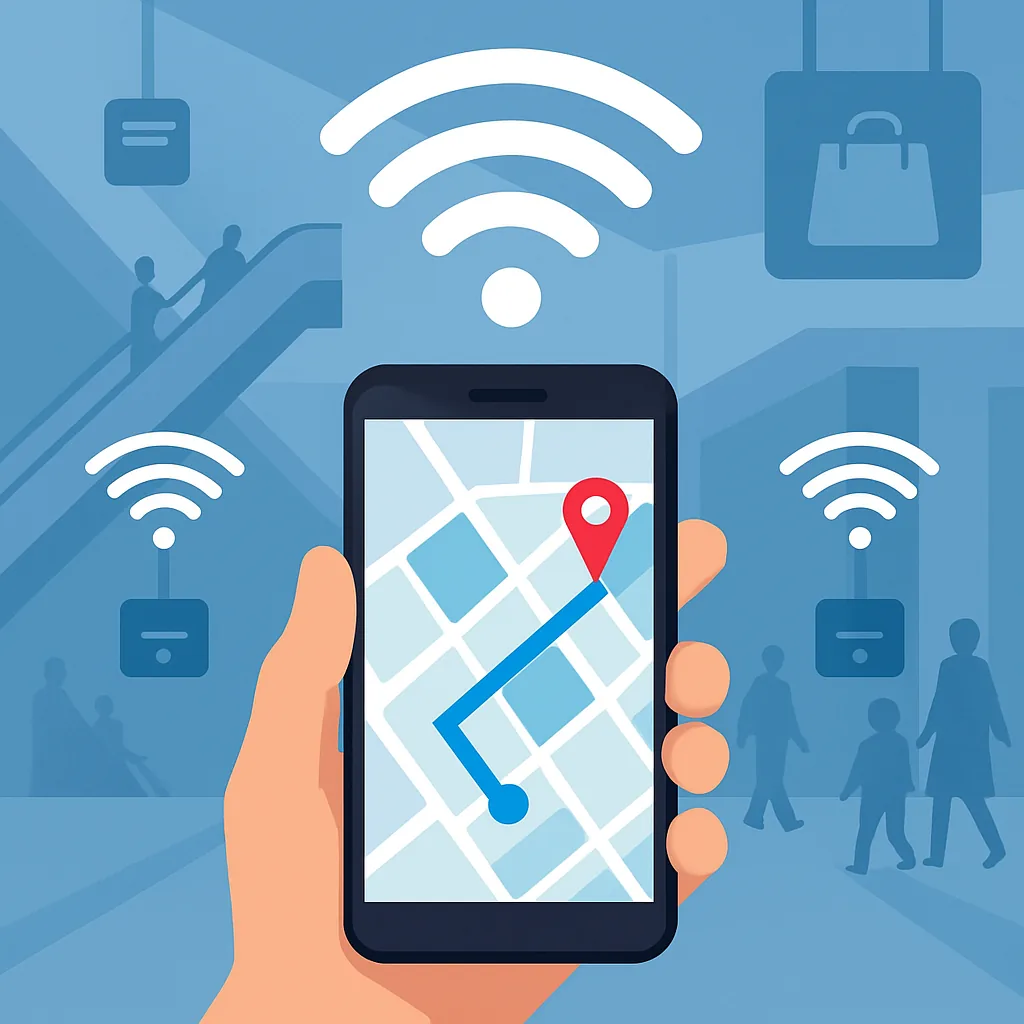
In architectural terms the satellite handles the link outward and Wi-Fi handles coverage inward. The antenna sits in an open spot with a direct LEO satellite link, the signal feeds into the community network, and Wi-Fi extends it to the lobby, the common areas and the basement shelter. For residents there is no new device and no new barrier to use: connect a personal phone to the community Wi-Fi and you are on the backup network.
Technical Highlights
- A direct LEO satellite link serves as the outward connection, independent of ground fiber and mobile base stations
- Wi-Fi coverage planning for community common areas, including signal extension into the basement shelter
- Designed to act as the backup line for the common area network in everyday use, not equipment that is only switched on in a disaster
Where It Applies
- Network backup for common facilities and the management office
- Response to outages caused by typhoons, earthquakes and wide-area blackouts
- Keeping the community in contact when ground communications are cut in wartime or after a major disaster
Outage Communications System
During an outage the scarcest resource is bandwidth. If one satellite link has to serve the whole community, every phone cannot keep a connection of its own alive. The communications system we plan follows Push-to-Talk logic: the community runs a communications server, residents' text messages are gathered there first and packaged for satellite transmission every 60 seconds, dropping the always-on connection that ordinary instant messaging apps maintain so that limited bandwidth carries the message flow of the whole community.
Technical Highlights
- A communications server inside the community consolidates messages locally before they go uplink
- Text messages are batched every 60 seconds for satellite transmission, so bandwidth use is predictable
- Push-to-Talk message logic lets a single satellite link serve the whole community
Where It Applies
- Management committee broadcast notices to all residents during a disaster
- Residents reporting they are safe and calling for outside help
- Supply coordination and notices while sheltering
Accompanying Software Services
Satellite and Wi-Fi are the pipes; what a community actually uses during an outage is the functions. The modules below belong, along with the outage communications system, to the community communications software we are planning, and are deployed together with the installation project.
Shelter check-in and headcount
It reuses the roster and code-scanning of our owners' meeting check-in system: during a disaster residents scan a code or are checked off the roster by staff, so the management committee sees in real time who is present and who is away, with no paper roll call.
Management committee broadcasts
One-way broadcasts to all residents run over the community Wi-Fi and take no satellite bandwidth: shelter instructions, supply gathering and recovery notices reach every phone in a single message.
Drill mode
Switch into drill mode with one tap: check-in, broadcasting and message packaging all run through for real, and a drill report is produced at the end for the management committee to keep and announce to residents.
What the community gets
In use every day
The common areas gain an extra backup network, not equipment that is only switched on in a disaster.
Connected in a disaster
When ground fiber and base stations are cut, the community still has a message channel to the outside.
Statutory preparedness completed along the way
The preparedness items in the public safety filing for air-raid shelter facilities are reviewed in the same site survey.
A selling point for the community
Disaster readiness can go into the community profile as visible evidence of management quality.
Frequently Asked Questions
The things management committees ask most before a resolution.
Want to know whether your community is a good fit to apply?
Every community differs in rooftop conditions, common facility layout and number of households. Leave your community's basic information and we will arrange a site survey.
Get in Touch