Core Technical Advantages
Our dynamic virtual bridging technology gives enterprises a painless route to a system upgrade
Painless System Upgrades
Upgrades an existing system into one that scales with load, with no code rewrite, cutting upgrade cost and risk substantially.
Learn About Painless System UpgradesPerformance Tracking and Analysis
Tracks system performance and user behavior end to end, identifies bottlenecks and gives precise recommendations for optimization.
Learn About Performance TrackingLoad Balancing Architecture
Distributes system load intelligently so that performance stays stable at peak and the user experience improves.
Learn About Load Balancing ArchitecturePainless System Upgrades
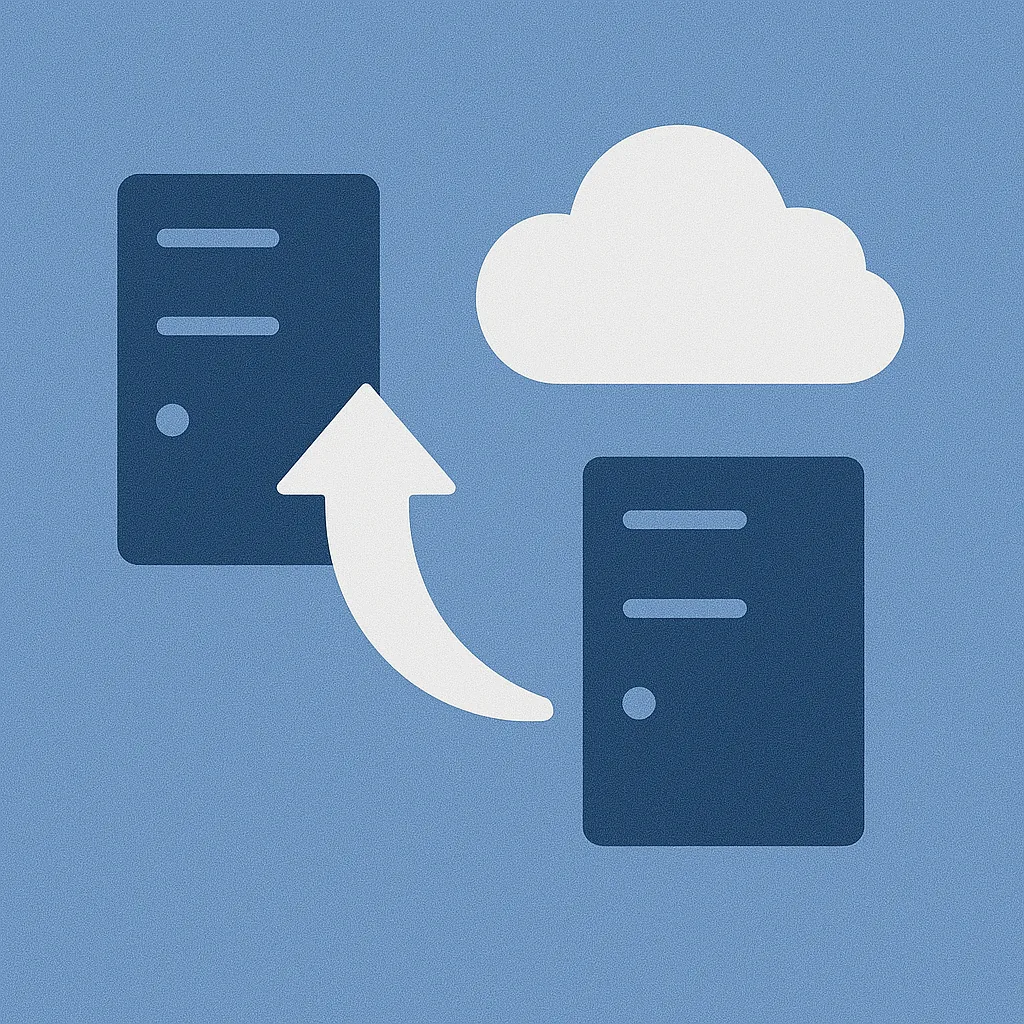
The Cloud Communication Technology dynamic virtual bridging technology lets an enterprise raise performance and scalability without restructuring the system. Our patented technology migrates a single-host system to the cloud and then reshapes it into an architecture that scales with traffic load, without any change to the code.
Technical Highlights
- Keeps the original system architecture; no code rewrite
- Scales the system through a virtual bridging layer
- Lowers the risk and cost of a system upgrade
- Fast deployment; system optimization completed in as little as 2 weeks
Suitable Systems
- Internal enterprise management systems
- E-commerce platforms
- Mobile application back-end systems
- Large-scale data processing systems
Upgrade Process
System assessment and analysis
A full review of the existing architecture and its performance bottlenecks
Virtual bridging layer design
A dedicated bridging layer designed around the characteristics of the system
Migration and deployment
Migrate the system to the cloud and deploy the virtual bridging layer
Performance testing and tuning
Run load tests and keep tuning system performance
Performance Tracking and Analysis
We provide end-to-end tracking and analysis of system performance, so that an enterprise can see where its performance limits and usage hotspots are and pinpoint exactly which parts need optimizing.
Analysis Metrics
- Site traffic and time spent by visitors
- Page load speed and response time
- Database query performance and bottlenecks
- User behavior and hotspot analysis
Value of the Analysis
- Pinpoints system bottlenecks
- Targeted tuning of system performance
- Ranks software investment by priority
- Improves user experience and satisfaction

Load Balancing Architecture
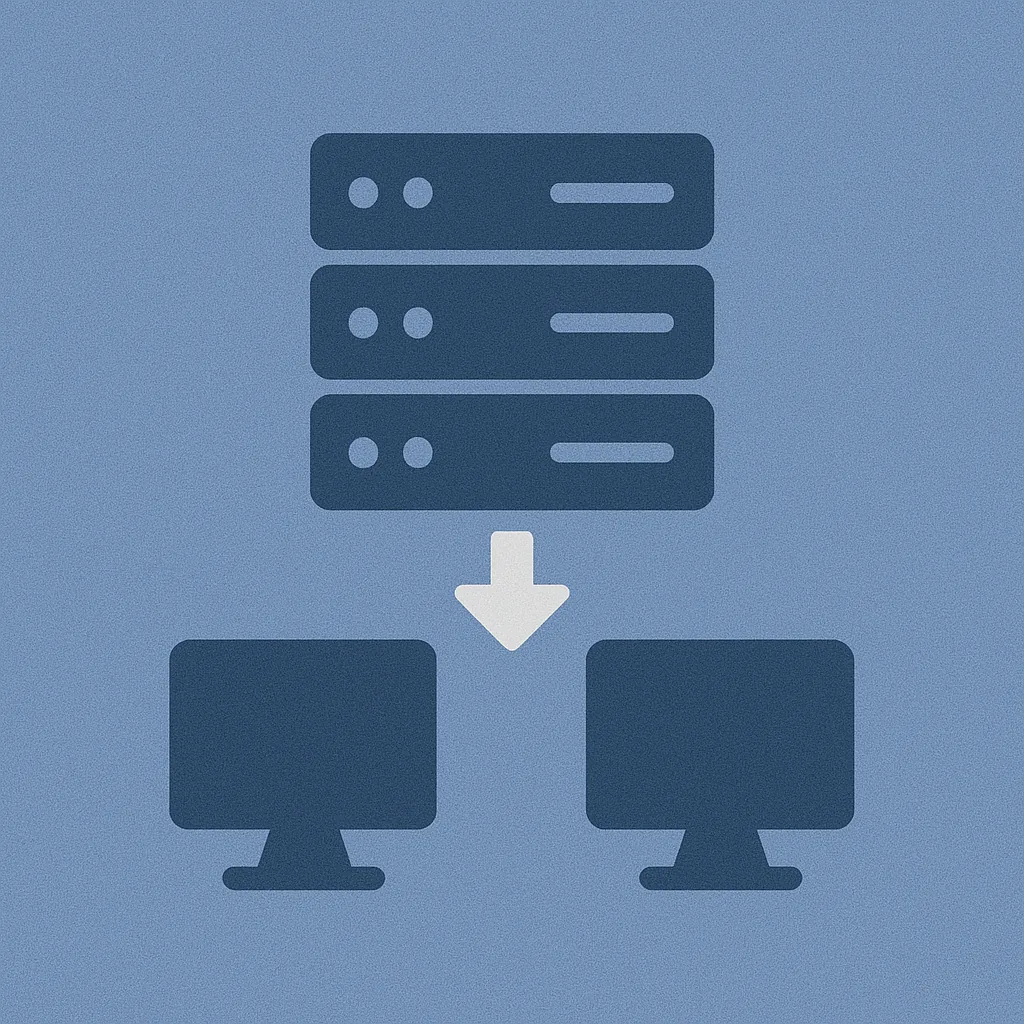
The Cloud Communication Technology load balancing architecture distributes system load intelligently, keeps performance stable through peak periods and resolves the degradation that peak usage would otherwise cause.
Case Studies
- System optimization for the Taiwan Tobacco and Liquor distribution channel app
- Traffic distribution for an e-commerce platform
Technical Highlights
- Intelligent traffic distribution and routing
- Elastic scaling up and down
- High availability and fault tolerance
- Seamless switchover and failover
- Support for cloud-native architectures
Benefits Measured
- Shorter system response times
- Higher capacity for concurrent online users
- Stable operation during peak hours
- Better user experience
App Optimization Case
| Metric | Before | After |
|---|---|---|
| Page load time | Noticeable delays at peak hours | Much shorter at peak hours |
| Concurrent online users | Capacity ran short at peak hours | Substantially higher capacity |
| System stability | Frequent crashes at peak hours | Stable at peak hours |
With dynamic virtual bridging and the load balancing architecture, the app resolved the performance problems caused by peak usage and improved user experience and satisfaction substantially.
Need a professional system optimization solution?
Cloud Communication Technology provides customized dynamic virtual bridging so your systems can take on traffic challenges with ease
Contact Us